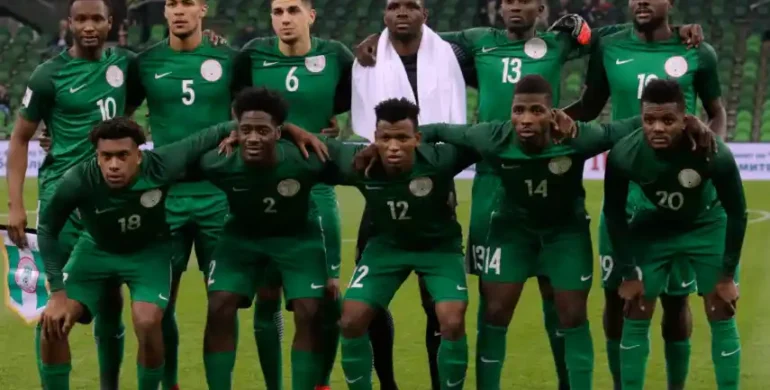
What are the most notable features of Nigerian football? Intensity, speed, and adaptability. Across all divisions of football in Nigeria, teams create offensive frameworks based on the local context, profiles of available players, and tactical instruction received within the academy system. There is rapid movement, direct passing, and quick transitions. Contemporary coaching has introduced more structured frameworks of positional and possession play. This article attempts to explain the phenomenon of attacking strategies in football in Nigeria by looking at the essential components of tactics, formations, and the role of players in creating and converting chances. Join us with nigeria-bets.com and explore more!
Essential Considerations of the Modern Game of Nigeria
Today’s Nigerian teams have the combination of the required physical attributes and the necessary tactical understanding. Coaches seek to fuse individual ability and collective coordination to ensure all players within the respective units, be they attackers, midfielders, or defenders, function offensively as one.
Offensive Techniques in Nigerian Football
One of the features of attacking football in Nigeria is the reliance on wing play. Most teams depend on the ability of their wingers and wide players to manipulate space on the sides of the field. By moving wide, the attackers create more ground, thus breaking the marking system of the defenders.
Quick plays along the outside can either create opportunities to cross the ball into the box, or to play the ball diagonally into the channel for a striker. Many Nigerian forwards are proficient in finishing, as they possess both the necessary aerial strength and the timing to accomplish these feats. Once a wide player gets a defender in a one-on-one, a good dribbler can get past the defender and make a great cross into the box. This strategy works well against teams that play with a narrow and deep defensive line.
Counter-attacks: Nigeria’s Most Dangerous Weapon
Counter-attacks are one of Nigeria’s most dangerous weapons. Once possession has been won back, the objective is to get the ball into the attacking half as quickly as possible. This is where most of the damage can be done to the attacking team’s defensive structure, as the offensive team’s defense usually has a difficult time organizing themselves.
Central players are taught to play the ball to the runners before they reach the opposition’s defensive line, while wide players are expected to run into the available gaps. This philosophy reduces the amount of time spent in possession while allowing the team to be more effective against teams that are tactically superior. Nigerian coaches emphasize decisive play and the first or second pass is expected to break the defender’s line and create a scoring opportunity.
Constructing Possession from the Back to Regulate the Tempo of the Game
Although direct attacks have been a staple of the game, a growing number of teams are attempting to begin attacks from the back. Center backs and goalies start the attack, come under pressure, and try to manipulate the defenders to create space for a pass. This approach is beneficial for the construction of an attack and eliminates unnecessary turnovers.
The ball is controlled and is moved around. This means the defense is forced to press which will create a gap between the defense and the midfield. This controlled attack combines the old school athleticism of Nigerian teams and blends with the new school philosophy of ‘tiki-taka’ thanks to teams like FC Barcelona and Modern European teams, which seamlessly overlooks the realities of the Nigerian game.
Breaking Down the Organized Defense
Defenses that are organized require a lot of patience from the attack. Combined with intelligent movement off the ball and defense, the attack must be organized to break the defense. Coordinated movements and patterns are used with the teams from Nigeria a lot more than in the past when individual skill was the ‘go to’ for all of the teams.
Stretching the Defense
In Nigerian football, modern tactics require the use of overlapping defenders. When the attack goes to the side and the wingers cut in, the defenders shift over leaving space for the outside defender. Nigerian Football is used to create an overload on one side of the pitch. Modern football tactics have been used in Nigerian football to create a more effective flowing football.
It also changes the shape of the defense which optimizes the angle of the crosses from the outside. Modern tactics have also been used to improve Nigerian football to transform the game.
High Pressing as an Offensive Tool in Nigerian Conditions
High pressing can be defensive and also be used offensively, as when a team recovers the ball through the press, they are recovering the ball in the attacking zone and the team does not have to waste time building up an attack. Given the physical attributes of the Nigerian players, they are able to do this, even in tough conditions.
If the press is done well, the team can create opportunities very quickly and the defensive players can be out of position. The goal of the press is to create opportunities for the attacking team to score before the other team can reorganize.
The Art of the “One-Two” Pass in the Final Third
In tight defensive formations, short and quick passes are very important to help break through the defensive width and defensive walls. The “one-two” play allows players to move passively and break through players by outsmarting them instead of just trying to bully their way through.
Normally this is done by an attacking midfielder, who initiates this play and links with the striker and the winger. A team with players who can pass well will increase the number of defensive lines they can break through and also decrease the number of times they take long shots.
Creative Formations Aimed to Score Goals in a Short Period of Time
The organizational structure of each formation will define each team’s attacking and defending style. Flexibility is important, especially in Nigeria, as these formations will have different adjustments and variations depending on the quality of the opponents.
The 4-3-3: The Standard for Wide Penetration
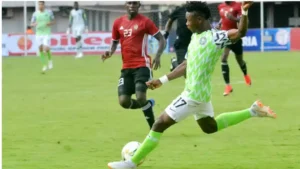
The 4-3-3 formation is suitable for Nigeria’s limitless formation. It allows for true wingers to remain up and wide and lets the other three midfielders go up and join the attack.
When using three forwards, coaches may utilize a highly aggressive pressing strategy and use crossing attacks with numbers. This formation allows and encourages quick transitions and sustained pressure in the final third.
3-5-2: Midfield Control, Backline Overload
The primary focus for a 3-5-2 formation is domination of the midfield. The three central midfielders work in tandem to control the ball and traffic of the game, and the width of the formation is achieved through the use of wing backs.
This formation is effective in games where the opposing team has a tendency to overload the centre of the pitch. By dominating the midfield, the team is able to nullify the opposition’s potential counter attacks and continue to attack.
4-2-3-1: A Good Mix of Solidity and Freedom
This formation offers balance. The two sitting midfielders provide protection to the defensive line, which allows the number 10 to roam and pivot in a playmaker’s role.
This formation is conducive to a game where there is a high reliance on build-up play and a considerable amount of creativity is to be exercised.
How to Play Against a Low Block of the Opponent
A defensive team will typically employ a low block strategy. This is particularly the case with Nigerian teams, and beating a low block takes clever use of the available space.
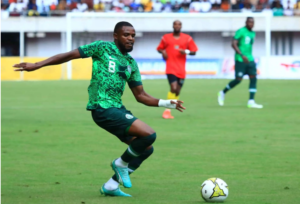
Finding the Weaknesses in a Defensively Compact Team
The first stage of the process is finding the right answer. Coaches tell their players to look for a weak mark, a slow player, or poor spacing. The defensive unit as a whole is manipulated through the use of movement.
Rapid ball shifts create space and disorganize the defense.
Direct Football and Vertical Passing Lanes
Vertical passes are effective because they cut multiple players when executed correctly. This means the turnaround to the end may be closer as line breaks occur.
Direct football, if used tactically, can create space for players to settle and strike.
Quick Transitions
Deep block teams are also susceptible to change—a quick throw and restart, for example, may create an overwhelming opportunity to attack the goal.
The Role of the Attacking Midfielder in Creative Transitions
Midfielders initiate the attack and serve as the bridge. Their positioning determines how effective the team is in attacking.
Determining the Flow of Play by Dominating the Midfield
Midfielders are able to control the pace of the game by sheer possession and recycling it. Good central midfielders can change the direction team play. They provide teams the mobility they need to change from defense to offense.
Midfielders and the Balance of Offense and Defense
Midfielders need to strike a balance and, through correct positioning, prevent counter strikes. This balance allows fullbacks to push up.
Why Midfielders Enable Fullbacks to Move Up
Central covering by midfielders means fullbacks can attack. This level of support allows offensive pressure and a well-holding defense.
Conclusion
Nigerian football offensive strategies focus on speed, physicality, and tactical sophistication. Modern offensive strategies have evolved from traditional wing play on the flank and direct counterattack approaches to structured buildup play using advanced formations. This evolution reflects a broader attacking tactic that balances offensive and defensive strategies to control matches. Success depends on understanding players’ strengths and weaknesses, applying a suitable system against the opposition, and maintaining balance while moving the team forward. When executed correctly, these ideas help teams create danger, remain lethal in transition, and break down even an effective defensive strategy.
FAQ
What is the most common attacking strategy in Nigerian soccer?
Due to the player characteristics and match situations, wing play with quick transitions is still the most common.
How can a midfielder increase their ability to create space?
Through improved awareness and positioning, quicker decision making in passing will enable a midfielder to create space more frequently.
What makes it difficult to break down a professional defensive team?
Space is restricted due to a professional team being organized with a compact structure, disciplined marking, and coordinated movements.
What is the best tactical formation for scoring goals quickly?
Due to their structure for attacking width and pressing, the 4-3-3 formation is deemed best.
How does a coach plan to attack a team who is stronger?
Prior to attacking a stronger opponent, a coach places emphasis on defensive solidity, quick transitions, and deliberate targets for attacking strategies focused on weaknesses.